

Irritable Bowel Syndrome (IBS)
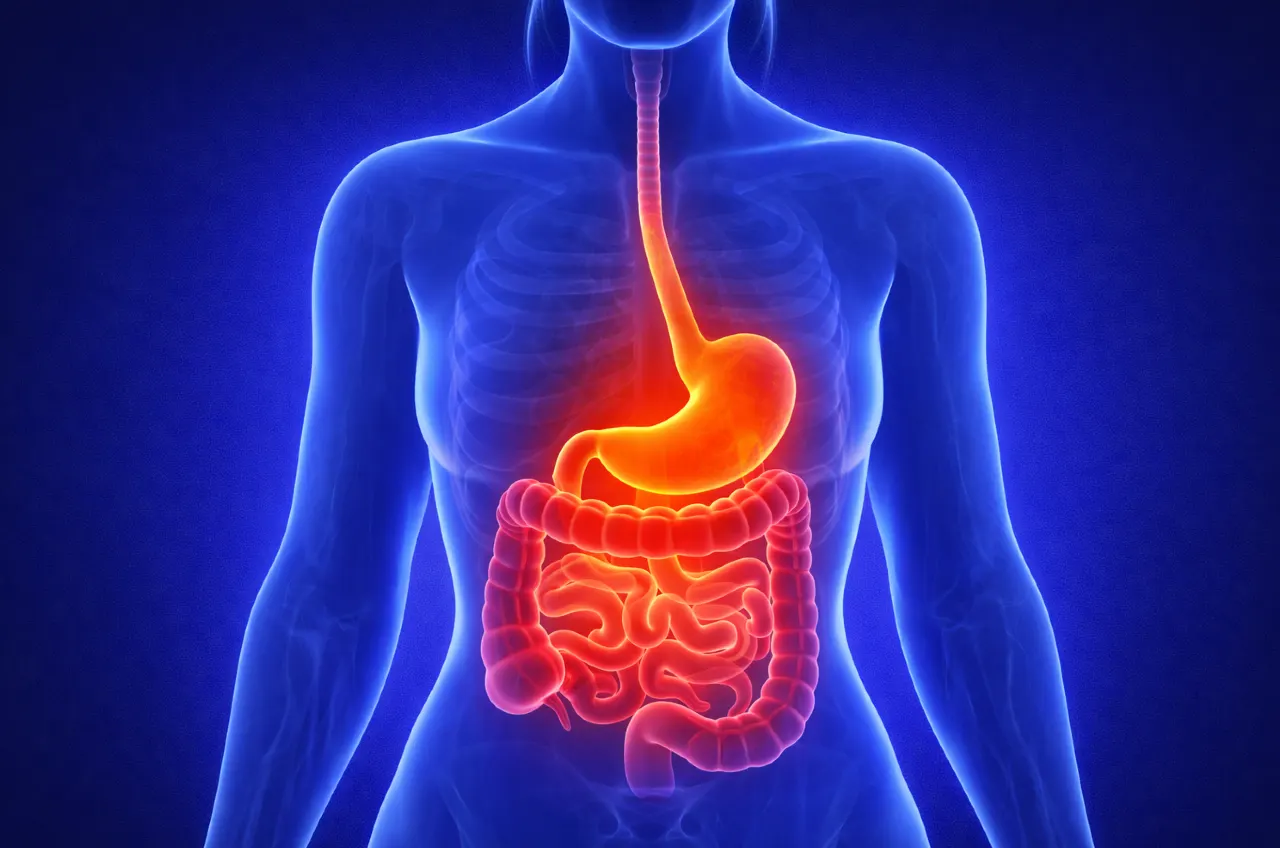
Irritable Bowel Syndrome (IBS) is a common condition that affects the digestive system. It can cause ongoing tummy pain, bloating and changes in bowel habits, such as diarrhoea, constipation or a mix of both. Symptoms often come and go and, for many people, are influenced by diet, stress and everyday routines.
Common symptoms of IBS
Symptoms can vary from person to person, but often include abdominal pain or cramping, bloating, excess wind, constipation, diarrhoea or alternating between the two, urgency when needing the toilet and mucus in the stool.
What causes IBS
Several factors may play a role, including changes in the gut microbiome, food sensitivities or intolerances, stress and anxiety, hormonal changes and a family history of IBS.
IBS does not usually involve structural damage to the digestive system, but symptoms can still be disruptive and distressing.
Triggers that can worsen symptoms
These may include specific foods, irregular meal patterns, stress, poor sleep or changes in routine such as travel or shift work.
Keeping a simple record of symptoms and potential triggers can sometimes help identify patterns, although it is important not to make major dietary changes without professional guidance.
Managing IBS symptoms
Although there is no cure for IBS, many people are able to manage their symptoms effectively through a combination of approaches.
Dietary and lifestyle changes can play a key role. Eating regular meals, adjusting fibre intake and identifying trigger foods may help. Some people benefit from following a low FODMAP diet under the guidance of a qualified dietician.
Stress management is also important, as stress can worsen gut symptoms. Techniques such as mindfulness, breathing exercises and building consistent routines can be helpful.
Medication may be recommended by a GP depending on symptoms. This can include treatments for cramps, constipation or diarrhoea. Psychological support, such as cognitive behavioural therapy, can also help some people manage symptoms more effectively, particularly where stress or anxiety is involved.
When to seek medical advice
If you are experiencing ongoing digestive symptoms, it is important to speak with your GP rather than assuming it is IBS. Your GP can help confirm a diagnosis and rule out other conditions.
You should seek medical advice promptly if you notice symptoms such as blood in your stool, unexplained weight loss, a persistent change in bowel habit, pain that wakes you at night or symptoms that feel severe or unusual for you.
IBS and work
IBS can affect work in practical ways, including frequent toilet breaks, discomfort, fatigue, anxiety about symptoms and difficulty concentrating. With the right support, many people with IBS are able to work comfortably and effectively.
Irritable Bowel Syndrome (IBS) is a common condition that affects the digestive system
Global OHS can help employers and employees by assessing how symptoms are affecting work, advising on reasonable adjustments, supporting managers to have sensitive conversations and signposting individuals back to their GP or appropriate clinical services.
Further information and support
If you would like reliable information or support, the following organisations provide trusted guidance:


