

Vaccinations and Blood Tests
Vaccination against certain biological agents plays an important role in protecting employee health. In occupational settings, immunisation acts as a targeted control measure, rather than a blanket requirement, and follows a clear risk-based approach.
Importantly, occupational immunisation is only necessary when a workplace risk assessment shows that employees are reasonably expected to encounter infectious diseases as part of their role.
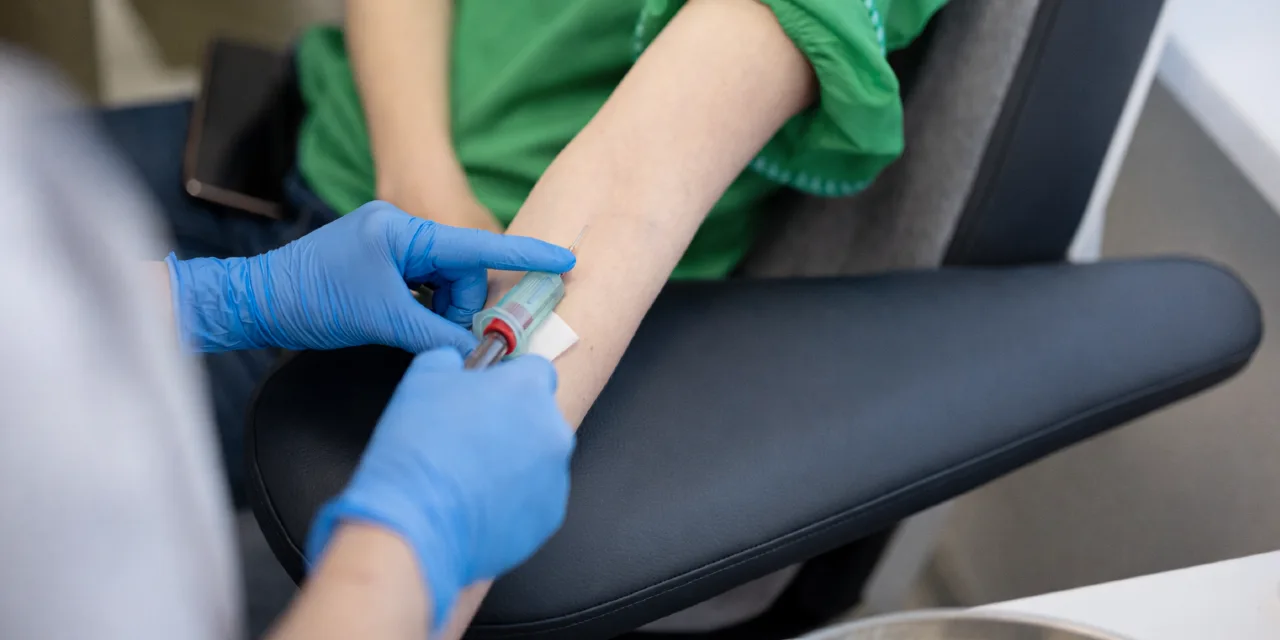
When are workplace vaccinations needed?
In practice, employers often consider vaccinations where employees face higher exposure risks. For example, this may include:
-
grounds and environmental workers
-
sewage and waste workers
-
healthcare and laboratory staff
-
animal handlers
-
employees working overseas where vaccine-preventable infections are endemic
In these environments, vaccination supports broader infection control measures. As a result, it helps reduce illness, sickness absence, and operational disruption.
How Global OHS supports occupational vaccination
At Global OHS, we support employers by delivering vaccination programmes that align directly with workplace risk assessments. Rather than offering unnecessary immunisations, we focus on proportionate, evidence-based protection.
Specifically, our service includes:
-
reviewing exposure risks within the workplace
-
advising on appropriate immunisations
-
administering vaccines safely through trained healthcare professionals
-
maintaining clear and confidential clinical records
Consequently, employers can demonstrate that they have taken reasonable steps to protect employee health while remaining compliant with health and safety guidance.
Blood tests in occupational health
Alongside vaccinations, blood tests may form part of an occupational health programme. In many cases, blood testing helps confirm immunity, identify previous exposure, or support ongoing health surveillance.
For example, blood tests may:
-
verify immune response following vaccination
-
support safe deployment into specific roles
-
assist in managing exposure to biological agents
-
inform occupational health advice and recommendations
Furthermore, trained clinicians carry out all tests using appropriate infection control procedures. Results remain confidential and are handled in line with data protection requirements.
Why vaccinations and blood tests matter
Taken together, vaccinations and blood tests protect both individual employees and the wider organisation. Not only do they help prevent avoidable illness, but they also support business continuity and workforce resilience.
Ultimately, by managing biological risks proactively, employers create safer working environments while reducing the likelihood of outbreaks, long-term absence, and preventable disruption.
If you would like to discuss workplace vaccinations, immunisations, or blood testing, send us your requirements and our occupational health team will be happy to help.
Guidance and references
Further guidance on occupational vaccination and biological risk management is available from:
-
Health and Safety Executive (HSE) – Biological agents and health surveillance
-
UK Health Security Agency – Immunisation and infectious disease guidance
-
NHS – Vaccinations and occupational health support


